Sculpture
This collection is my ongoing conversation with the desert — its textures, its architecture, its slow, ancient sense of time. The Organic Vessels, Desert Platters, and Breezeblock Planters come from different instincts, but they share the same roots: sculptural forms, sun‑softened surfaces, and that mix of modernism and geology that runs through all my work.
Some pieces feel grown, some feel carved, some feel built. The Organic Vessels twist and rise with their own internal logic; the Platters hold the memory of fronds, shadows, and scratched earth; the Breezeblock Planters echo the clean geometry of mid‑century architecture. Each one carries a bit of desert logic — shapes that feel uncovered, unearthed, or lived with for decades.
Whether it’s a vessel, a platter, or a tiny architectural planter, each piece is meant to feel like a small, tactile artifact of this landscape.
Organic Vessels
The Organic Vessel Series are where my sculptural instincts meet the oldest idea in ceramics: the vessel. These pieces don’t follow traditional pottery rules — they grow their own way. Some feel geologic, some feel like softened artifacts, some lean toward creature or garment, but they all carry that quiet sense of emergence I chase in the studio.
Each form begins with the idea of containment, then drifts into something more instinctive. I press, fold, carve, and coax until the clay settles into a shape that feels inevitable, like it could have been found in the desert rather than made in a studio. Glazes are kept thin so the clay body stays present, giving the surfaces a soft, time‑worn feeling.
They’re vessels in the broadest, oldest sense of the word — objects that hold presence, story, and a little bit of the desert’s slow, ancient logic.
Desert Platters
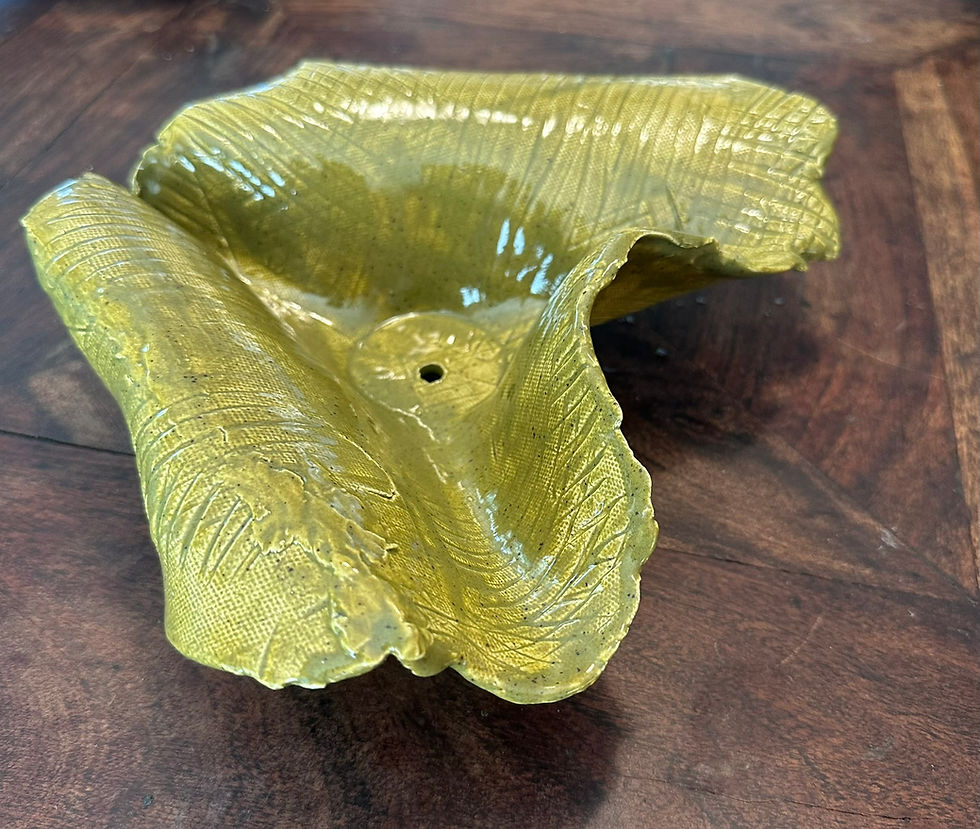
The Desert Platter Series is where my love of surface really takes over. These pieces are quiet, modernist forms that carry the memory of the desert — palm fronds, woven shadows, scratched earth, wind‑mapped patterns. Each platter is a flat, sculptural field for texture, a place where the clay records whatever story I press into it.
The shapes stay simple and calm so the surface can do the talking. Glazes are applied thinly or wiped back to highlight every ridge and groove, giving the pieces that soft, time‑worn feeling I’m always chasing. They’re functional if you want them to be, but they live most comfortably as tactile, modern desert artifacts — objects meant to be seen, touched, and lived with.
Breezeblock Planters
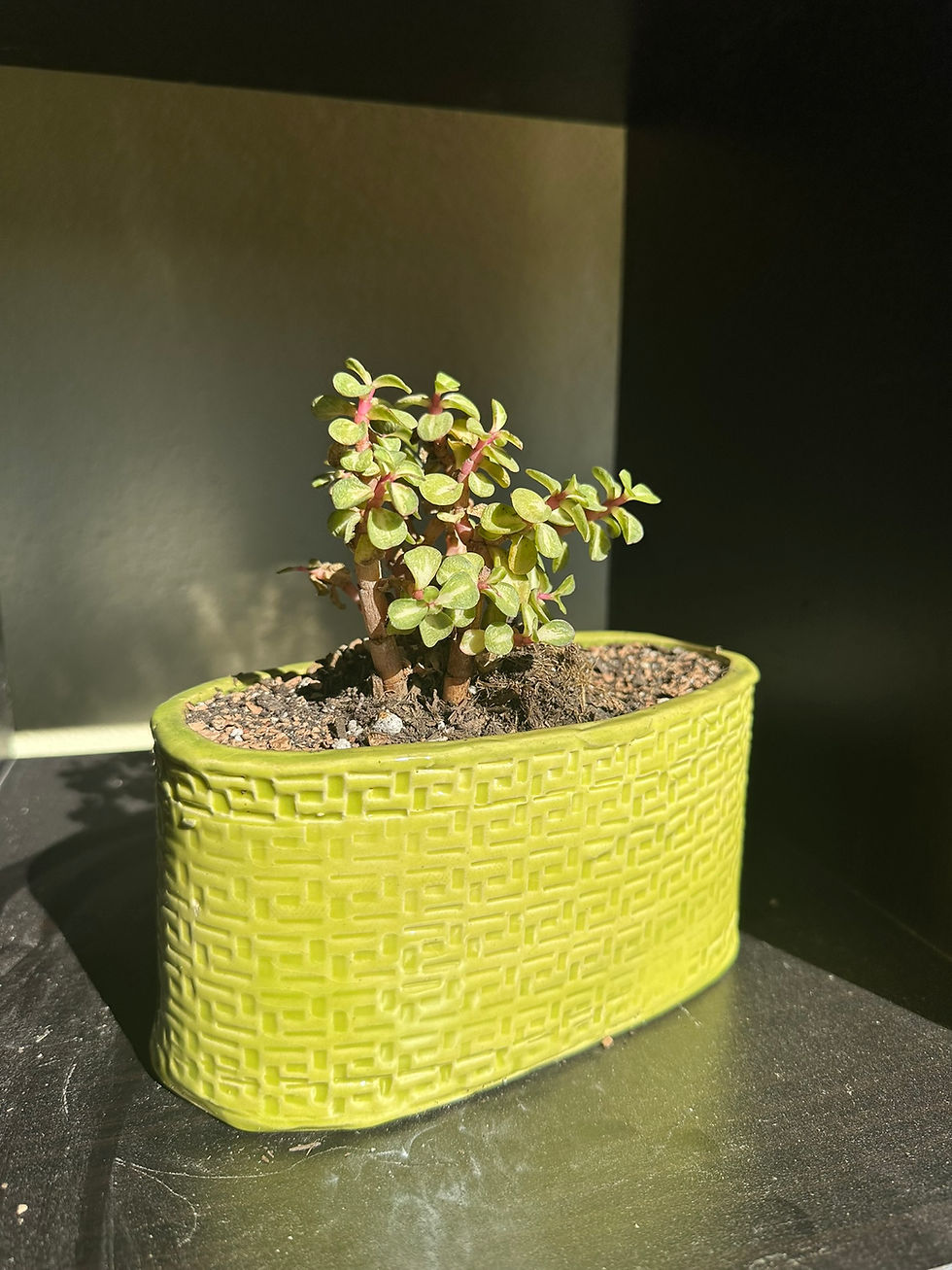
The Breezeblock Planter Series is my love letter to mid‑century Palm Springs — not the polished magazine version, but the sun‑bleached, time‑softened one you only see if you’ve lived here long enough. These pieces start with the familiar geometry of 1950s and 60s breeze blocks, then drift into something more archaeological. The lines aren’t perfect. The edges are a little worn. They feel like they’ve been sitting in a courtyard since 1964 and I’ve just dug them out of the sand.
I glaze them in bright, unapologetic mid‑century colors — lime, fuchsia, tangerine — and then wipe the surfaces back so the color feels sun‑faded, like it’s survived decades of heat and wind. They’re small, weighty, architectural little creatures, equal parts modernist and weathered relic. They sit right at the intersection of design and desert artifact, as if they’ve lived a whole life before ending up in your hands.